Croton Oil Peel | The Office of Dr. Vincent Hung
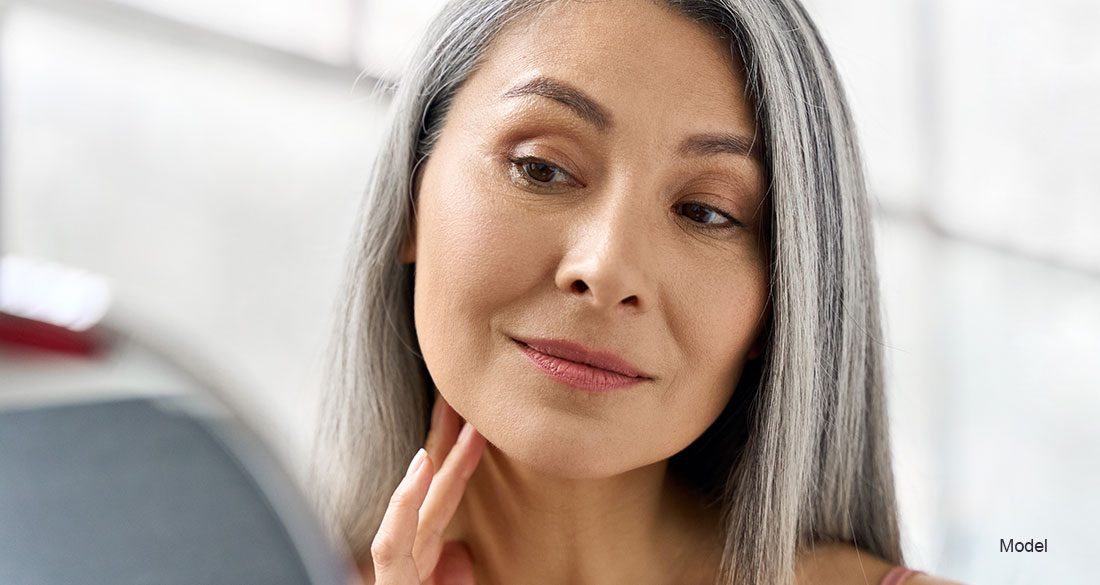
If you are considering a deep chemical peel, the recovery process is probably one of your biggest questions. A croton peel can create dramatic improvement in skin concerns, such as deep wrinkles, sun damage, pigmentation, skin texture, and mild laxity, but it also requires real healing time and careful post-operative care. A clear croton peel recovery timeline can help you plan work, social downtime, skin care, and follow-up visits with more confidence.
At his Pasadena and Newport Beach offices, triple board-certified dermatologist and plastic surgeon Dr. Vincent Hung offers croton peel treatment for patients seeking powerful facial skin rejuvenation without surgery. His background in dermatology, plastic surgery, internal medicine, Mohs surgery, skin cancer surgery, and reconstruction gives him a deep understanding of both skin healing and facial anatomy.
Table of Contents
- What Patients Need to Know About Croton Peel Recovery
- Croton Peel Recovery Timeline Week by Week
- What Can Affect Your Croton Peel Healing Time?
- Why Choosing the Right Provider Matters for Chemical Peel Recovery
- FAQ About Croton Peel Recovery
What Patients Need to Know About Croton Peel Recovery
A croton peel, also known as a Hetter peel or modified phenol peel, is a medical-grade deep chemical peel that uses croton oil and phenol to improve wrinkles, pigmentation, laxity, and overall skin quality.
Because this peel reaches deeper layers of the skin, recovery looks different from a lighter peel. You should expect visible peeling, swelling, crusting, redness, and skin tightness during the early healing period. Patients should expect at least two weeks of visible redness, and some may have redness that lasts several months.
This does not mean something is wrong. It means your skin is moving through the expected healing stages after a controlled resurfacing treatment. The key is to follow your post-operative instructions closely, protect your skin from sun exposure, and keep every follow-up appointment so Dr. Hung can monitor your progress.
Croton Peel Recovery Timeline Week by Week
Every patient heals at a different pace. Your recovery depends on your skin type, the depth of your peel, the areas treated, your medical history, and how well you follow your post-operative care plan.
Still, most patients can expect the following general milestones.
Days 1 to 3: Redness, swelling, tightness, and oozing
The first few days are usually the most intense part of croton peel recovery. Your skin may feel hot, tight, swollen, and sensitive. Patients may experience stinging or burning about 10 hours after the procedure, followed by oozing and swelling.
During this stage, your skin needs gentle, consistent care. Dr. Hung and his team typically provide a take-home care kit that may include a soak solution, towelettes, and protective ointment.
You should plan to stay home, rest, and avoid unnecessary activity. Do not pick, rub, scrub, or try to speed up peeling. Your skin is vulnerable, and aggressive handling can increase your risk of irritation, delayed healing, pigment changes, or scarring.
Days 4 to 7: Peeling, crusting, and new pink skin
During the second half of the first week, the peeling stage becomes more noticeable. Days four through seven often involve sheets of peeling skin and crusting that lift away, revealing new pink skin underneath.
This phase can look dramatic, especially if you have never had a deep peel before. The treated skin may appear red, shiny, swollen, or uneven. That appearance is part of the healing process, not the final result.
Your main job during this week is to protect the healing skin barrier. Continue your soaks, ointment, and any prescribed medications exactly as directed. Avoid sun exposure completely. Do not apply unapproved skin care products, makeup, acids, exfoliants, retinoids, or active ingredients unless Dr. Hung clears you.
Week 2: New skin continues to heal
By week two, much of the heavy peeling and crusting may improve. New skin usually looks pink or red and may still feel tender, tight, or sensitive.
You may feel better physically at this stage, but your skin still needs careful protection. Some patients can return to work and use makeup during weeks two to four, while others may need more time depending on how they heal.
Do not rush back into your normal skin care routine. Even if your skin looks smoother, it remains delicate. Continued barrier care, strict sun avoidance, and SPF use are critical.
Weeks 3 to 4: Redness fades slowly, and social confidence improves
Weeks three and four are often when patients start feeling more comfortable being seen in public. Redness may still be obvious, but the early swelling, crusting, and peeling usually become easier to manage.
At this point, you may begin to see early improvements in texture, brightness, and fine lines. However, your skin may still look uneven in color. Some areas may appear more pink than others, and pigment can continue shifting as the skin recovers.
This is also when patience matters. Deep resurfacing does not deliver its full result immediately. The skin continues remodeling beneath the surface, and collagen changes develop over time.
Months 2 to 3: Redness continues to settle
By months two and three, redness usually continues to improve, although pigmentation may still be uneven. Strict sun avoidance and SPF use remain critical, as the skin remains vulnerable.
This stage can feel frustrating if you expected your final result right away. Try to judge progress month-to-month rather than day-to-day. Your skin may continue to look smoother, firmer, and more even as healing progresses.
If you notice worsening redness, increasing pain, new drainage, signs of infection, cold sores, delayed healing, or unusual light or dark patches, call Dr. Hung’s office promptly, as complications should be addressed right away.
Months 3 and beyond: Results continue to mature
After the first few months, many patients see a more settled skin tone and texture. The visible healing process becomes less disruptive, but your long-term outcome still depends on skin protection and maintenance.
Deep chemical peel results can be dramatic, but new aging and sun damage can still develop over time. Patients can see a dramatic improvement in treated areas, but results may not be permanent because aging and new sun damage can create new lines and color changes.
Daily sunscreen, protective clothing, and smart sun habits help protect your investment. This is especially important in Southern California, where daily UV exposure can affect healing and long-term skin quality.
What Can Affect Your Croton Peel Healing Time?
Croton peel recovery is not identical for every patient. Your timeline may be shorter or longer based on several factors, including:
- The depth and strength of your peel
- Whether Dr. Hung treats the full face or targeted areas
- Your skin type and pigmentation risk
- Your history of cold sores or skin sensitivity
- Your age, general health, and healing ability
- Smoking or nicotine use
- Sun exposure before or after treatment
- How closely you follow post-operative care instructions
Deep chemical peels require recovery at home for two to three weeks. That is why your consultation matters so much. Dr. Hung can evaluate your skin, explain what your personal downtime may look like, and help you decide whether a croton peel fits your goals and schedule.
Why Choosing the Right Provider Matters for Chemical Peel Recovery
Croton peel recovery depends on more than time. It depends on proper patient selection, safe treatment planning, careful application, and close post-operative monitoring.
Dr. Hung’s practice philosophy emphasizes optimal physical results, as well as pre-operative and post-operative counseling and care to support the overall patient experience. He has offices in Pasadena and Newport Beach and has been in practice in Southern California for over 21 years.
Deep peel treatment creates a controlled wound in the skin. Dr. Hung’s training in dermatology, plastic surgery, internal medicine, Mohs surgery, skin cancer surgery, and reconstruction allows him to approach resurfacing with both aesthetic judgment and medical caution.
When you choose a provider for a croton peel, you are not only choosing the person who applies the peel. You are choosing the team that guides your preparation, monitors your healing, manages concerns, and helps protect your final result.
FAQ About Croton Peel Recovery
How long is croton peel recovery?
Most patients should plan for at least two weeks of visible healing, including redness, peeling, crusting, and sensitivity. Some patients feel comfortable returning to work or social settings during weeks two to four, while redness may continue for several months.
When can I wear makeup after a croton peel?
Some patients may be able to wear makeup during weeks two to four, but this depends on how quickly the skin has healed. Dr. Hung should clear you before you apply makeup, since using products too early can irritate healing skin or increase your risk of complications.
Is redness normal after a croton peel?
Yes. Redness is expected after a deep chemical peel. Patients should expect at least two weeks of visible redness, and some patients may have lingering redness for several months.
When will I see my final croton oil peel results?
You may see early improvement once the peeling stage resolves, but your results continue to mature as redness fades and collagen remodeling continues. Many patients notice a smoother texture, brighter skin, and improved wrinkles over the following weeks and months.
What should I avoid during croton peel recovery?
Avoid sun exposure, picking, scrubbing, exfoliating, and using unapproved skin care products. You should also avoid makeup until cleared and follow all medication, soaking, ointment, and follow-up instructions from Dr. Hung.
How do I know if something is wrong during recovery?
Call Dr. Hung’s office if you notice worsening pain, increasing redness, pus, fever, cold sores, delayed healing, new scars, or unusual light or dark patches.
Schedule Your Croton Peel Consultation in Pasadena, CA
A croton peel can deliver meaningful improvement in wrinkles, sun damage, pigmentation, and skin texture, but the recovery process requires planning and the right medical guidance. If you are considering a croton peel in Pasadena or Newport Beach, a consultation with Dr. Vincent Hung can help you understand your candidacy, expected downtime, and personalized post-operative care plan.
To learn more about croton peel recovery and whether this treatment is right for you, call Dr. Hung’s Pasadena office at (626) 432-5032 or request an appointment through the online contact form.