Menu

Call

Locations

Gallery

Pasadena

Newport Beach

Vincent C. Hung, MD, MOHS Surgery, Reconstructive Plastic Surgery, Cosmetic Surgery

Category: Croton Oil Peel

- Schedule A Consultation

Croton Peel Recovery Timeline in Pasadena: What to Expect Week by Week

| The Office of Dr. Vincent Hung

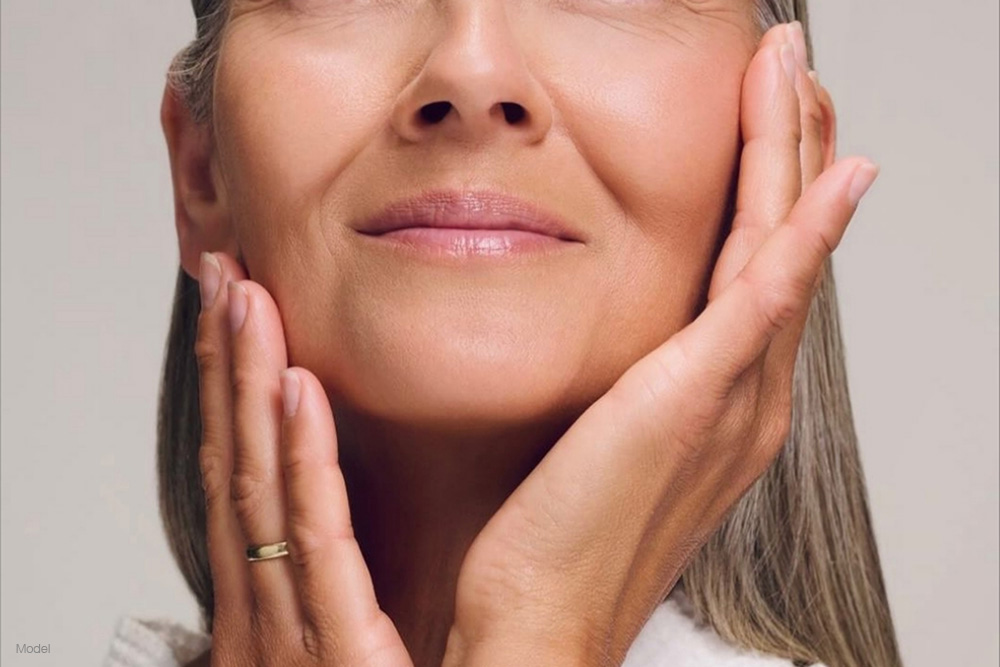
Mature woman touching her face

If you are considering a deep chemical peel, the recovery process is probably one of your biggest questions. A croton peel can create dramatic improvement in skin concerns, such as deep wrinkles, sun damage, pigmentation, skin texture, and mild laxity, but it also requires real healing time and careful post-operative care. A clear croton peel recovery timeline can help you plan work, social downtime, skin care, and follow-up visits with more confidence.

At his Pasadena and Newport Beach offices, triple board-certified dermatologist and plastic surgeon Dr. Vincent Hung offers croton peel treatment for patients seeking powerful facial skin rejuvenation without surgery. His background in dermatology, plastic surgery, internal medicine, Mohs surgery, skin cancer surgery, and reconstruction gives him a deep understanding of both skin healing and facial anatomy.

Table of Contents

What Patients Need to Know About Croton Peel Recovery

A croton peel, also known as a Hetter peel or modified phenol peel, is a medical-grade deep chemical peel that uses croton oil and phenol to improve wrinkles, pigmentation, laxity, and overall skin quality.

Because this peel reaches deeper layers of the skin, recovery looks different from a lighter peel. You should expect visible peeling, swelling, crusting, redness, and skin tightness during the early healing period. Patients should expect at least two weeks of visible redness, and some may have redness that lasts several months.

This does not mean something is wrong. It means your skin is moving through the expected healing stages after a controlled resurfacing treatment. The key is to follow your post-operative instructions closely, protect your skin from sun exposure, and keep every follow-up appointment so Dr. Hung can monitor your progress.

Croton Peel Recovery Timeline Week by Week

Every patient heals at a different pace. Your recovery depends on your skin type, the depth of your peel, the areas treated, your medical history, and how well you follow your post-operative care plan.

Still, most patients can expect the following general milestones.

Days 1 to 3: Redness, swelling, tightness, and oozing

The first few days are usually the most intense part of croton peel recovery. Your skin may feel hot, tight, swollen, and sensitive. Patients may experience stinging or burning about 10 hours after the procedure, followed by oozing and swelling.

During this stage, your skin needs gentle, consistent care. Dr. Hung and his team typically provide a take-home care kit that may include a soak solution, towelettes, and protective ointment.

You should plan to stay home, rest, and avoid unnecessary activity. Do not pick, rub, scrub, or try to speed up peeling. Your skin is vulnerable, and aggressive handling can increase your risk of irritation, delayed healing, pigment changes, or scarring.

Days 4 to 7: Peeling, crusting, and new pink skin

During the second half of the first week, the peeling stage becomes more noticeable. Days four through seven often involve sheets of peeling skin and crusting that lift away, revealing new pink skin underneath.

This phase can look dramatic, especially if you have never had a deep peel before. The treated skin may appear red, shiny, swollen, or uneven. That appearance is part of the healing process, not the final result.

Your main job during this week is to protect the healing skin barrier. Continue your soaks, ointment, and any prescribed medications exactly as directed. Avoid sun exposure completely. Do not apply unapproved skin care products, makeup, acids, exfoliants, retinoids, or active ingredients unless Dr. Hung clears you.

Week 2: New skin continues to heal

By week two, much of the heavy peeling and crusting may improve. New skin usually looks pink or red and may still feel tender, tight, or sensitive.

You may feel better physically at this stage, but your skin still needs careful protection. Some patients can return to work and use makeup during weeks two to four, while others may need more time depending on how they heal.

Do not rush back into your normal skin care routine. Even if your skin looks smoother, it remains delicate. Continued barrier care, strict sun avoidance, and SPF use are critical.

Weeks 3 to 4: Redness fades slowly, and social confidence improves

Weeks three and four are often when patients start feeling more comfortable being seen in public. Redness may still be obvious, but the early swelling, crusting, and peeling usually become easier to manage.

At this point, you may begin to see early improvements in texture, brightness, and fine lines. However, your skin may still look uneven in color. Some areas may appear more pink than others, and pigment can continue shifting as the skin recovers.

This is also when patience matters. Deep resurfacing does not deliver its full result immediately. The skin continues remodeling beneath the surface, and collagen changes develop over time.

Months 2 to 3: Redness continues to settle

By months two and three, redness usually continues to improve, although pigmentation may still be uneven. Strict sun avoidance and SPF use remain critical, as the skin remains vulnerable.

This stage can feel frustrating if you expected your final result right away. Try to judge progress month-to-month rather than day-to-day. Your skin may continue to look smoother, firmer, and more even as healing progresses.

If you notice worsening redness, increasing pain, new drainage, signs of infection, cold sores, delayed healing, or unusual light or dark patches, call Dr. Hung’s office promptly, as complications should be addressed right away.

Months 3 and beyond: Results continue to mature

After the first few months, many patients see a more settled skin tone and texture. The visible healing process becomes less disruptive, but your long-term outcome still depends on skin protection and maintenance.

Deep chemical peel results can be dramatic, but new aging and sun damage can still develop over time. Patients can see a dramatic improvement in treated areas, but results may not be permanent because aging and new sun damage can create new lines and color changes.

Daily sunscreen, protective clothing, and smart sun habits help protect your investment. This is especially important in Southern California, where daily UV exposure can affect healing and long-term skin quality.

What Can Affect Your Croton Peel Healing Time?

Croton peel recovery is not identical for every patient. Your timeline may be shorter or longer based on several factors, including:

  • The depth and strength of your peel
  • Whether Dr. Hung treats the full face or targeted areas
  • Your skin type and pigmentation risk
  • Your history of cold sores or skin sensitivity
  • Your age, general health, and healing ability
  • Smoking or nicotine use
  • Sun exposure before or after treatment
  • How closely you follow post-operative care instructions

Deep chemical peels require recovery at home for two to three weeks. That is why your consultation matters so much. Dr. Hung can evaluate your skin, explain what your personal downtime may look like, and help you decide whether a croton peel fits your goals and schedule.

Why Choosing the Right Provider Matters for Chemical Peel Recovery

Croton peel recovery depends on more than time. It depends on proper patient selection, safe treatment planning, careful application, and close post-operative monitoring.

Dr. Hung’s practice philosophy emphasizes optimal physical results, as well as pre-operative and post-operative counseling and care to support the overall patient experience. He has offices in Pasadena and Newport Beach and has been in practice in Southern California for over 21 years.

Deep peel treatment creates a controlled wound in the skin. Dr. Hung’s training in dermatology, plastic surgery, internal medicine, Mohs surgery, skin cancer surgery, and reconstruction allows him to approach resurfacing with both aesthetic judgment and medical caution.

When you choose a provider for a croton peel, you are not only choosing the person who applies the peel. You are choosing the team that guides your preparation, monitors your healing, manages concerns, and helps protect your final result.


FAQ About Croton Peel Recovery

How long is croton peel recovery?

Most patients should plan for at least two weeks of visible healing, including redness, peeling, crusting, and sensitivity. Some patients feel comfortable returning to work or social settings during weeks two to four, while redness may continue for several months.

When can I wear makeup after a croton peel?

Some patients may be able to wear makeup during weeks two to four, but this depends on how quickly the skin has healed. Dr. Hung should clear you before you apply makeup, since using products too early can irritate healing skin or increase your risk of complications.

Is redness normal after a croton peel?

Yes. Redness is expected after a deep chemical peel. Patients should expect at least two weeks of visible redness, and some patients may have lingering redness for several months.

When will I see my final croton oil peel results?

You may see early improvement once the peeling stage resolves, but your results continue to mature as redness fades and collagen remodeling continues. Many patients notice a smoother texture, brighter skin, and improved wrinkles over the following weeks and months.

What should I avoid during croton peel recovery?

Avoid sun exposure, picking, scrubbing, exfoliating, and using unapproved skin care products. You should also avoid makeup until cleared and follow all medication, soaking, ointment, and follow-up instructions from Dr. Hung.

How do I know if something is wrong during recovery?

Call Dr. Hung’s office if you notice worsening pain, increasing redness, pus, fever, cold sores, delayed healing, new scars, or unusual light or dark patches.


Schedule Your Croton Peel Consultation in Pasadena, CA

A croton peel can deliver meaningful improvement in wrinkles, sun damage, pigmentation, and skin texture, but the recovery process requires planning and the right medical guidance. If you are considering a croton peel in Pasadena or Newport Beach, a consultation with Dr. Vincent Hung can help you understand your candidacy, expected downtime, and personalized post-operative care plan.

To learn more about croton peel recovery and whether this treatment is right for you, call Dr. Hung’s Pasadena office at (626) 432-5032 or request an appointment through the online contact form.


Croton Peel Aftercare in Pasadena: How to Protect Your New Skin and Maintain Results

| The Office of Dr. Vincent Hung

Mature woman touching her face

A croton peel can create meaningful improvement in deep wrinkles, sun damage, pigmentation, skin texture, and skin laxity, but your results depend heavily on what happens after treatment. Croton peel aftercare is not a small detail. It is a key part of protecting your new skin, reducing the risk of complications, and helping your final results develop as smoothly as possible.

At his Pasadena and Newport Beach offices, Dr. Vincent Hung offers croton peel treatment for patients seeking powerful skin renewal without surgery. A croton peel is often used as a medical-grade resurfacing treatment that penetrates deeper layers of the skin to improve wrinkles and overall skin quality.

Table of Contents

Why Croton Peel Aftercare Matters

A croton peel is not the same as a light chemical peel or at-home exfoliating treatment. This procedure uses croton oil and phenol to exfoliate damaged outer layers of skin and stimulate collagen production deep within the dermis.

Because this treatment creates a controlled chemical wound, your skin needs time and protection to heal. The visible recovery process can include redness, oozing, crusting, peeling, swelling, tightness, and sensitivity. While recovery time varies among patients, most should expect and plan for at least two weeks of redness. In some cases, redness may take several months to subside.

Aftercare helps guide your skin through this healing process. It also helps you avoid common problems that can affect your comfort, healing time, and final appearance. The goal is simple: protect the new skin while it is fragile so it can recover in the healthiest way possible.

What to Expect Immediately After a Croton Chemical Peel

The first few days after a croton peel are usually the most intense. During the first one to three days, many patients may experience stinging or burning about 10 hours after the procedure. Oozing and swelling may follow promptly. Your skin may look red, shiny, swollen, or raw, so it’s important that you avoid picking or scrubbing the area.

Dr. Hung and his team will provide you with detailed pre-treatment and post-operative instructions tailored to your needs. This may include an at-home care kit containing a soak solution, towelettes, and protective ointment.

Post-Peel Care During The First Week

The first week sets the foundation for your recovery. During days four through seven, you may notice your skin beginning to peel and crust, with new pink skin emerging. This is normal, as your new priority is to protect the exposed skin while the outer layers peel away.

Important first-week aftercare usually includes:

  • Using your soak solution as directed
  • Applying protective ointment as instructed
  • Avoiding sun exposure completely
  • Taking prescribed medications as directed
  • Keeping the treated area clean against bacteria and viral infection
  • Avoiding makeup until cleared
  • Avoiding exfoliants, retinoids, acids, and active skin care products
  • Calling the office if you notice concerning symptoms

How To Protect Your New Skin After Peeling

Once peeling begins to settle, many patients feel tempted to resume their normal skin care regimen. Your skin may look smoother, brighter, and fresher, but it is still vulnerable. Most patients feel comfortable returning to work, makeup, and social settings around two to four weeks post-treatment.

You should wait for Dr. Hung to clear you before applying makeup or restarting skin care products. Your skin may still react easily to fragrance, acids, scrubs, retinoids, or harsh cleansers.

What To Avoid After A Croton Peel

Croton peel recovery requires patience. Doing too much too soon can disrupt healing or increase your risk of complications.

Avoid the following until Dr. Hung clears you:

  • Direct sun exposure
  • Picking, peeling, or pulling at skin
  • Scrubs or exfoliating brushes
  • Retinoids and strong active ingredients
  • Harsh cleansers or toners
  • Unapproved makeup
  • Swimming pools, hot tubs, or saunas
  • Strenuous activity that increases heat or sweating
  • Any product that has not been approved for your recovery stage

If you notice any post-treatment concerns, it’s advised to call Dr. Hung immediately. These include:

  • Cold sores
  • Bacterial or fungal infections
  • Delayed healing
  • New scars
  • Areas of lighter or darker pigmentation

Sun Exposure After A Croton Peel

Sun protection is one of the most important parts of croton peel aftercare. A deep peel reveals fresh skin that can be highly reactive to UV exposure. Too much sun can increase the risk of irritation, uneven pigment, darker patches, lighter patches, and premature aging.

For patients in Pasadena, Newport Beach, and the surrounding Southern California area, this step matters every day. Protect your skin by:

  • Wearing SPF every day once approved
  • Using hats and protective clothing
  • Staying out of direct sunlight while healing
  • Avoiding outdoor activity during peak sun hours when possible
  • Reapplying sunscreen as directed once your skin has healed enough
  • Keeping follow-up appointments so Dr. Hung can monitor your recovery

Sun protection should not stop once the lingering redness fades. It should become part of your long-term maintenance plan.

How To Maintain Your Croton Peel Results

Croton peel results continue to develop as your skin heals and collagen remodeling occurs.

After your skin has fully healed, maintenance becomes the next priority. While results can last for several years, proper preservation involves diligent sun protection.

Good maintenance habits include:

  • Wearing sunscreen consistently
  • Avoiding tanning and unnecessary sun exposure
  • Keeping your skin moisturized
  • Using approved medical-grade skin care when cleared
  • Scheduling follow-up visits as recommended
  • Contacting the office if you notice unusual skin changes

A croton peel can improve existing damage, but it cannot stop future sun exposure or natural aging. Your daily choices help protect your results.

Why Choose Dr. Vincent Hung For Croton Peel Aftercare?

A deep peel should be performed and monitored by a physician with strong knowledge of skin, facial anatomy, and wound healing. Dr. Vincent Hung offers expert croton peel treatments in Pasadena and Newport, ensuring you feel prepared, supported, and protected throughout your cosmetic journey.

Dr. Hung is triple board certified in Internal Medicine, Dermatology, and Plastic Surgery, having completed fellowship training in “Mohs micrographic surgery.” As one of the only doctors in the world with this background, he offers more than basic skin care advice. Dr. Hung has the medical judgment, careful monitoring, and a clear understanding of how resurfaced skin heals necessary to guide you through your procedure and recovery.

Under their care, Dr. Hung and his team will use their compassionate, detailed approach to ensure you are heard and can move through your croton peel recovery with confidence.


FAQ About Croton Peel Aftercare

How long do I need aftercare after a croton peel?

You should plan for focused aftercare during the first several weeks, with continued sun protection for the long term. Visible redness may persist for at least two weeks, while some patients experience redness that lingers for several months.

When can I wear makeup after a croton peel?

Some patients can return to work and use makeup during weeks two to four, but others need more time. Dr. Hung should clear you before you apply makeup, since the timing depends on your healing progress.

What skin care products can I use after a croton peel?

Use only the products Dr. Hung approves during recovery. Patients will typically receive a take-home care kit with a soak solution, towelettes, and protective ointment.

Why is sun avoidance so important after a croton peel?

Your new skin is highly sensitive after deep resurfacing, which makes sun avoidance and sunscreen use crucial for proper healing.

How can I make my croton peel results last longer?

Protect your results with daily sun protection, approved skin care, and diligent follow-up care.

When should I call Dr. Hung during recovery?

Call Dr. Hung if you notice cold sores, signs of infection, delayed healing, new scars, or lighter or darker pigment patches. Do not attempt to manage these symptoms on your own, as added irritation can worsen their condition.


Schedule A Croton Oil Peel Consultation In Pasadena, CA

Croton peel aftercare plays a major role in your comfort, healing, and long-term results. With the right plan, you can protect your new skin, reduce avoidable risks, and maintain the smoother, brighter, more refreshed appearance this treatment can provide.

If you are considering a croton peel in Pasadena or Newport Beach, schedule a consultation with Dr. Vincent Hung to learn what to expect before, during, and after treatment. Call (626) 432-5032 or use our online contact form.


Am I a Good Candidate for a Croton Oil Peel in Pasadena?

| The Office of Dr. Vincent Hung

Woman in yellow sun bathing at the beach

If deep lines, sun damage, rough texture, or uneven pigmentation make your skin look older than you feel, you may be considering a croton oil peel. A croton oil peel is not a light spa peel or a quick refresh. It is a powerful, medical-grade resurfacing treatment designed for patients who want more dramatic skin rejuvenation without facial surgery.

At the office of Dr. Hung, patients in Pasadena and Newport Beach can explore whether a croton peel is a good fit for their skin concerns, health history, recovery expectations, and long-term goals. Because this treatment reaches deeper layers of the skin, candidacy matters. The right patient can see meaningful improvement, but the treatment must be carefully planned and performed by a highly qualified physician.

Table of Contents

What Patients Need to Know About Croton Oil Peel Candidacy

A croton oil peel, also known as a Hetter peel or modified phenol peel, is a deep chemical peel that uses croton oil and phenol to resurface damaged skin. It penetrates more deeply than lighter chemical peels, which allows it to address more advanced signs of aging and sun damage.

This treatment is often considered by patients who want improvement in:

  • Deep wrinkles around the mouth or eyes
  • Sun-damaged skin
  • Uneven skin tone or pigmentation
  • Acne scars
  • Mild to moderate skin laxity
  • Rough or leathery skin texture

The most important point is that candidacy depends on more than just the wrinkles you see in the mirror. Dr. Hung will also consider your skin type, medical history, healing ability, current skincare routine, sun exposure, and willingness to follow detailed post-operative care instructions.

A croton oil peel can produce impressive improvement, but it also requires a real recovery period. If you want a treatment with little to no downtime, this may not be the right option. If you want more noticeable resurfacing and can commit to proper healing, you may be a stronger candidate.

Who Is a Good Candidate for a Croton Oil Peel?

You may be a good candidate for a croton oil peel if your concerns are primarily about skin quality rather than facial structure. This peel can improve the skin’s surface by softening wrinkles, reducing discoloration, and creating a smoother, brighter complexion.

Deep Lines Around the Mouth or Eyes

Many patients consider a croton oil peel for stubborn lines around the lips, often called “lipstick” or “smoker’s” lines. These wrinkles can be difficult to improve with lighter treatments because they often sit deeper in the skin.

A croton oil peel can also improve lines around the eyes, forehead, and cheeks. If you feel that creams, facials, or light peels have not made enough of a difference, deeper resurfacing may be worth discussing.

Sun Damage or Uneven Pigmentation

Years of sun exposure can lead to brown spots, blotchy tone, rough texture, and a dull complexion. A croton oil peel may help remove damaged outer layers of skin while stimulating collagen renewal beneath the surface.

This makes the treatment appealing for patients who want a clearer, more even complexion. However, strict sun protection is essential after treatment. If you are not ready to avoid sun exposure and use sunscreen consistently, Dr. Hung may recommend waiting or choosing a different approach.

Mild to Moderate Skin Laxity

A croton oil peel can provide meaningful tightening for properly selected patients with mild to moderate skin looseness. It may be a good option if your skin looks crepey, loose, or aged, but you do not have severe sagging in the lower face, jowls, or neck.

If your main concern is heavy facial drooping, a peel alone may not give you the improvement you want. During your consultation, Dr. Hung can explain whether your concern comes from the skin surface, deeper facial structure, or both.

Noticeable Results Without Incisions

Some patients want a dramatic change in skin quality but do not feel ready for surgery. A croton oil peel can be attractive because it does not require surgical incisions. It still involves a significant healing process, but it can improve wrinkles, pigmentation, and texture without a facelift incision.

This distinction matters. A croton oil peel is non-surgical, but it is still a serious medical treatment. You should choose it because it matches your skin concerns and recovery expectations, not because it sounds “easy.”

When a Croton Oil Peel May Not Be the Right Fit

A croton oil peel is not ideal for everyone. Being a poor candidate does not mean you cannot improve your skin. It simply means Dr. Hung may recommend a different plan for safety, healing, or better results.

You may not be an ideal candidate if you:

  • Have significant sagging in the jowls, neck, or lower face
  • Cannot take time away from work or social activities
  • Have trouble following detailed wound-care instructions
  • Have certain medical conditions that may affect healing
  • Smoke or cannot stop smoking before and after treatment
  • Have unrealistic expectations about recovery or results
  • Spend a lot of time in the sun and cannot commit to sun avoidance

Patients with deeper skin tones may also have a higher risk of pigment changes after deep resurfacing treatments. This does not automatically rule you out, but it does make a careful evaluation especially important.

What Dr. Hung Evaluates During Your Consultation

Your consultation is where candidacy becomes clear. Dr. Hung will examine your skin, listen to your concerns, and determine whether a croton oil peel can safely address your goals.

He may evaluate:

  • The depth and location of your wrinkles
  • The amount of sun damage or pigmentation
  • Your skin tone and risk for pigment changes
  • Your degree of skin laxity
  • Your history of cold sores or skin infections
  • Your current medications and skincare products
  • Your ability to follow recovery instructions
  • Whether a targeted peel or full-face peel makes sense

A targeted peel may be appropriate if your main concern is around the mouth or eyes. Treating a smaller area may help focus the improvement while limiting the recovery compared with treating the entire face.

Post-Peel Care Expectations Are Part of Candidacy

Your ability to recover safely plays a major role in whether you are a good candidate. A croton oil peel creates a controlled chemical wound, so healing requires patience and careful skin protection.

Patients should expect visible redness for at least two weeks. Some patients experience persistent redness for several months. Early recovery can include oozing, crusting, swelling, tightness, and peeling skin as the damaged layers lift away and new skin appears.

You will need to follow detailed care instructions, use the recommended products, avoid sun exposure, and contact Dr. Hung if you notice signs of a possible complication. Cold sores, bacterial or fungal infections, delayed healing, scarring, and pigment changes can occur, so this is not a treatment to approach casually.

If you can plan for downtime and follow instructions closely, you may be a better candidate. If you need to be camera-ready within a few days, this peel is likely not the right choice right now.

Why Choosing the Right Provider Matters

A croton oil peel should only be performed by a trained physician in a proper medical setting. This treatment requires careful control of peel depth, patient monitoring, sterile wound-care supplies, and a strong understanding of skin healing.

Dr. Vincent Hung is triple board certified in Internal Medicine, Dermatology, and Plastic Surgery. He also has advanced training in Mohs surgery and reconstruction, with a practice focused heavily on dermatology, skin cancer surgery, and reconstruction of the head, face, lips, nose, and ears.

Dr. Hung understands both facial anatomy and the biology of the skin, which allows him to evaluate whether your skin can tolerate the treatment and whether the expected improvement matches your goals.

For patients comparing providers, credentials and judgment should matter as much as before-and-after photos. A croton oil peel can deliver powerful results, but only when patient selection, safety, and aftercare receive the attention they deserve.

FAQs About Croton Oil Peel Candidacy

How do I know if I need a croton oil peel or a lighter chemical peel?

A lighter chemical peel may be enough if you have mild dullness, early pigmentation, or minor texture concerns. A croton oil peel may be more appropriate if you have deeper wrinkles, significant sun damage, acne scars, or more advanced texture changes. Dr. Hung can recommend the right depth after examining your skin.

Is a croton oil peel a good option for wrinkles around the mouth?

Yes, wrinkles around the mouth are one of the common reasons patients consider this treatment. A croton oil peel can significantly improve stubborn perioral lines when you are a good candidate and can commit to the recovery.

Can I have a croton oil peel if I have darker skin?

Patients with deeper skin tones may have a higher risk of unwanted pigment changes after deep peels. You will need an in-person consultation so Dr. Hung can evaluate your skin type, risks, and safer options if a croton oil peel is not appropriate.

Do I need to prepare my skin before a croton oil peel?

You may need pre-treatment skincare or medication before your peel. Dr. Hung may recommend antiviral prophylaxis to reduce the risk of herpes simplex virus activation, and some patients may need other preparation based on their history and risk factors.

Am I too young for a croton oil peel?

Age alone does not determine candidacy. Your skin condition, concerns, sun damage, healing ability, and goals matter more. Some patients may benefit from less aggressive treatments first, while others with deeper lines or damage may be candidates sooner.

Is a consultation necessary before scheduling a croton oil peel?

Yes. A consultation is necessary because this is a deep medical-grade resurfacing treatment. Dr. Hung needs to evaluate your skin, review your medical history, explain the recovery process, and determine whether the treatment is safe and appropriate for you.

Schedule Your Croton Oil Peel Consultation in Pasadena, CA

If you are wondering whether you are a good candidate for a croton oil peel in Pasadena, the best next step is a personalized consultation. Dr. Vincent Hung can evaluate your skin, discuss your goals, and explain whether this powerful resurfacing treatment is the right choice for you.

To learn more about croton oil peel treatment in Pasadena, call Dr. Hung’s office at (626) 432-5032 or request an appointment through the online contact form.