Croton Oil Peel, Laser Peel | The Office of Dr. Vincent Hung
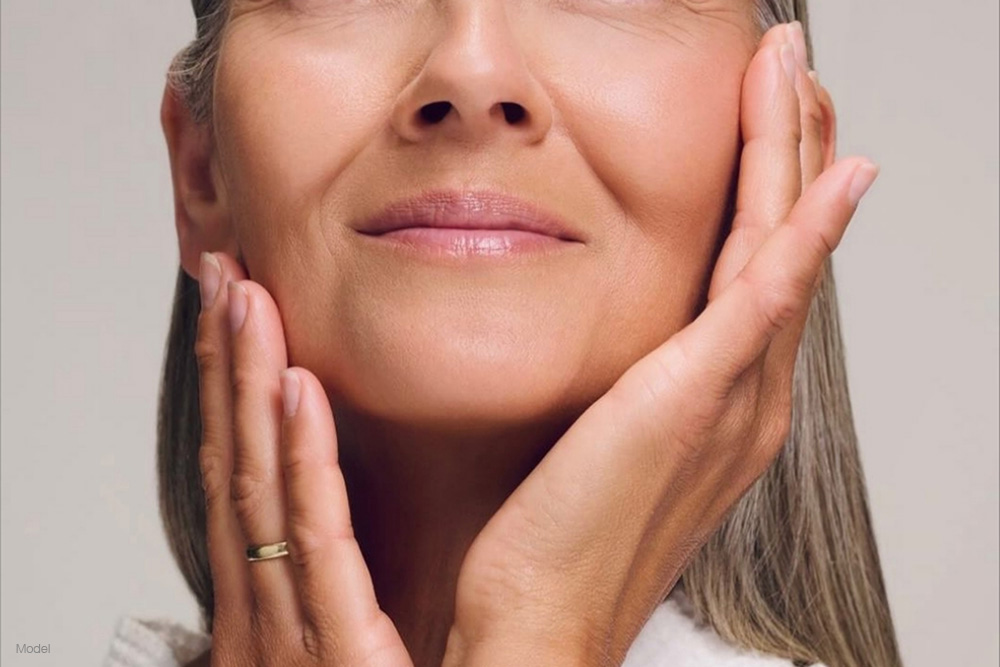
Deep wrinkles can remain visible even when your face is at rest, making your skin look older or more tired than you feel. Once creases become deeply etched around the mouth, eyes, or forehead, skin care products and mild resurfacing treatments may not provide enough improvement.
Both croton peels and CO2 lasers can remove damaged skin, address acne scars, and stimulate collagen remodeling, but they use different methods and may suit different skin concerns, treatment areas, and recovery preferences. This blog will cover the differences between croton peels and CO2 lasers when addressing damaged, aging skin.
Table of Contents
- How Croton Peels and CO2 Laser Skin Resurfacing Treat Deep Wrinkles
- Croton Peel vs. CO2 Laser Skin Resurfacing Treatments for Deep Wrinkles
- Which Treatment Offers Better Results for Deep Wrinkles?
- How Does Recovery Compare?
- What Risks Should You Consider?
- Why Provider Experience Matters More Than the Technique
- FAQs About Croton Peels and Laser Resurfacing Treatments
How Croton Peels and CO2 Laser Skin Resurfacing Treat Deep Wrinkles
Both procedures resurface the skin by creating a controlled injury. As the skin heals, it replaces damaged tissue and produces new collagen. This process can soften wrinkles, improve texture, and create a smoother complexion. The key difference lies in how each treatment delivers that injury.
A croton peel uses a carefully prepared solution of croton oil and phenol. Dr. Hung can adjust the croton oil concentration to control the treatment’s depth and distribution. This chemical peel penetrates the deeper skin layers, removes damaged tissue, and stimulates collagen production.
A CO2 laser uses concentrated light energy to vaporize microscopic layers of skin. CO2 laser systems can treat wrinkles and texture irregularities while increasing collagen beneath the skin’s surface.
Croton Peel vs. CO2 Laser Skin Resurfacing Treatments for Deep Wrinkles
Both treatments can improve deep wrinkles, but the right choice depends on more than wrinkle severity. Dr. Hung will also consider your skin tone, pigmentation, treatment area, medical history, previous procedures, and recovery tolerance.
Depth and Degree of Correction
A croton peel provides aggressive resurfacing and may offer substantial improvement in deeply etched facial lines. Common treatment areas include deep wrinkles around the mouth and eyes.
CO2 laser resurfacing can also improve fine and coarse wrinkles. Dr. Hung can vary the laser’s settings, coverage, and treatment pattern based on the depth of correction needed. Some CO2 systems treat the entire surface, while fractional systems leave small areas of untreated skin between treatment columns.
For pronounced wrinkles, the meaningful comparison is not simply “chemical versus laser.” You must compare the planned depth and intensity of each specific treatment.
Precision in Small Treatment Areas
Both options can address focused facial areas, including the skin around the mouth or eyes. Dr. Hung can limit a croton peel to selected regions rather than treating your entire face. This targeted approach may help soften vertical lip lines, crow’s feet, or other concentrated areas while reducing the total treatment area.
A CO2 laser also involves precise control over where energy reaches the skin. This can make it useful when wrinkles affect an isolated area or when different facial regions require different settings.
Localized resurfacing requires careful blending with untreated skin. Dr. Hung will consider whether the treated area will transition naturally into the surrounding complexion after redness and swelling resolve.
Wrinkles With Pigmentation or Sun Damage
Deep wrinkles often appear alongside age spots, uneven pigmentation, and rough texture, especially with sun-damaged skin. A croton peel may address several of these concerns in one treatment. CO2 laser resurfacing can also treat wrinkles, solar damage, and uneven pigmentation, depending on the device and treatment plan.
Your skin type plays an important role in this decision. Either procedure may cause lighter or darker pigmentation, particularly after deep resurfacing. Dr. Hung will evaluate your risk before recommending treatment.
Which Treatment Offers Better Results for Deep Wrinkles?
This depends on the patient and the way the treatment is performed. A deep croton peel may appeal to you when you have pronounced, etched-in wrinkles and want significant resurfacing through a single treatment.
CO2 laser resurfacing may appeal to you when your ideal vision requires varying laser intensity or a fractional treatment pattern. Laser resurfacing can stimulate collagen production and reduce deep wrinkles, but your outcome will depend on the device, treatment depth, physician’s technique, and healing response.
The equipment alone does not determine the result. A well-selected and carefully performed croton peel may serve one patient better, while an appropriately planned CO2 laser treatment may better suit another.
How Does Recovery Compare?
Both treatments involve more recovery than superficial skin treatments. The depth of resurfacing usually determines the healing demands.
After a deep croton peel, you can expect swelling, oozing, crusting, tightness, and visible peeling during the first week. Redness generally remains noticeable for at least two weeks and may persist for several months. Many patients begin to feel more comfortable returning to normal activities within two to four weeks, although individual recovery varies.
CO2 laser recovery varies substantially. Fractional treatment generally creates a different healing experience than fully ablative resurfacing. More aggressive CO2 treatment may involve several days of oozing and crusting, followed by continued redness and sensitivity, with strict sun protection.
Before considering your treatments, think about whether you can:
- Complete the required wound care
- Avoid direct sun exposure
- Allow adequate time away from social activities
- Attend follow-up appointments
- Accept temporary redness and pigmentation changes
- Contact the office promptly if healing concerns develop
What Risks Should You Consider?
Deep resurfacing carries meaningful risks regardless of whether Dr. Hung uses a chemical solution or laser energy. Potential concerns may include:
- Infection
- Cold sore reactivation
- Delayed wound healing
- Persistent redness
- Scarring
- Hyperpigmentation
- Hypopigmentation
- A visible border between treated and untreated skin
Croton peel treatment also requires precautions related to phenol absorption. Dr. Hung performs the procedure in a medical setting where his team can monitor your heart rate and oxygen levels while he carefully applies the solution.
CO2 laser treatment presents its own technique-dependent risks, including excessive thermal injury when energy reaches too deeply. Protective equipment, proper settings, and experience with facial resurfacing all matter.
Why Provider Experience Matters More Than the Technique
While comparing a croton peel and CO2 laser treatment is crucial in planning your treatment, it’s not the only factor. In practice, patient selection, treatment depth, wound care, and the physician’s understanding of skin biology often matter just as much as the resurfacing method. For patients considering croton peel or CO2 laser treatment in Pasadena, CA, Dr. Hung provides expert guidance to help you determine which treatment is the best path toward your aesthetic vision.
Dr. Vincent Hung is a triple board-certified plastic and reconstructive surgeon, having extensive training in Internal Medicine, Dermatology, and Plastic Surgery. As the only physician in the country with this combination of credentials, he has a unique understanding of skin rejuvenation. He evaluates more than your wrinkles; he assesses your pigmentation, skin thickness, structural aging, healing risks, and whether resurfacing alone can realistically address your concerns.
Under the guidance of Dr. Hung and his team, patients can expect thorough pre-operative and post-operative planning, compassionate attention to your needs, and a more educated patient experience.
FAQs About Croton Peels and Laser Resurfacing Treatments
Is a croton peel stronger than a CO2 laser?
A deep croton peel can provide aggressive resurfacing, but CO2 laser treatments vary from fractional to fully ablative. You cannot compare strength without knowing the planned depth and settings of both procedures.
Which treatment works better for deep wrinkles around the mouth?
Both may improve deep perioral wrinkles. A croton peel has a long history of treating etched-in lines around the mouth, while a CO2 laser can also target this area precisely. Your skin characteristics and Dr. Hung’s proposed treatment depth should guide the choice.
Which option has less downtime?
Recovery depends on treatment intensity. A lighter fractional CO2 treatment may involve less downtime than a deep croton peel, but it may not create the same degree of correction. A fully ablative laser can require a more involved recovery.
Will either treatment remove every deep wrinkle?
No treatment can guarantee complete wrinkle removal. Both procedures may significantly soften deep creases, but some lines can remain due to facial movement, skin quality, and underlying structural aging.
Can I have a croton peel if I previously had laser resurfacing?
Possibly, but previous resurfacing can affect circulation, skin thickness, and healing. Dr. Hung must examine your skin and review the details of your earlier treatment before recommending another deep procedure.
Choose the Right Deep Wrinkle Treatment in Pasadena, CA
A croton peel and CO2 laser can both provide meaningful improvement in deep facial wrinkles. The better choice depends on the location and severity of your lines, your skin tone, accompanying pigmentation, healing risks, and the type of recovery you can manage.
To receive a personalized evaluation of your skin rejuvenation options, schedule a consultation with Dr. Vincent Hung in Pasadena and Newport. Call (626) 432-5032 or complete the online contact form to discuss whether a croton peel or another resurfacing approach is the best fit for your skin and goals.